A Day in the Life of a Fintokei Trader: Less Chaos, More Planning
What does a successful Fintokei trader’s day actually look like? We looked at the answers from our Fintokei Stars, and the result might surprise you. Entering the market is only the tip of the iceberg. The most important part often happens much earlier.
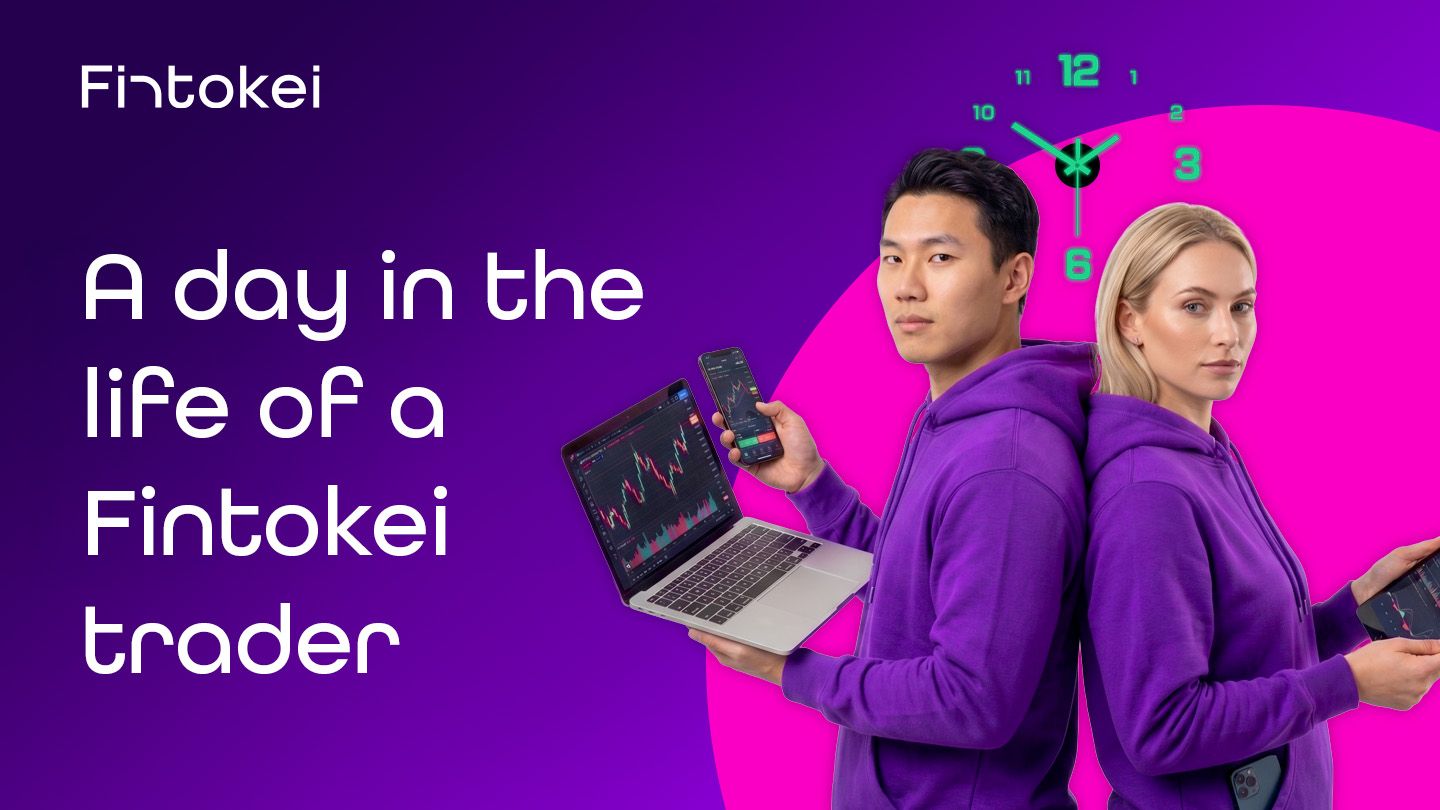
From the outside, trading can look like a fast ride. Charts, decisions, challenges, payouts. But when you take a closer look at the day of successful traders, one pattern keeps coming up: results usually do not come from chaos. They come from routine. Planning. Patience. And knowing when to hit the brakes.
So how can you succeed in a Fintokei challenge? There is no universal strategy. Every trader has a different style, a different market, and a different timeframe. But experienced traders agree on one thing: if you want to grow long term, you need an approach that looks as close to professional trading as possible.
That is why we went through interviews with our Fintokei Stars: traders who already have several payouts behind them. We looked for habits that kept appearing in their answers. Not to give you a guaranteed recipe for success. But to show you how traders who have already made it to payout actually think.
Let’s get into it.
Morning: plan first, chart second
For most Fintokei Stars, the trading day starts before they even open the platform. Their morning routine is usually not long, but it has a clear purpose: to come to the market prepared, not just react to every move on the chart.

In the morning, I check what happened in the market overnight and set alerts if needed, which takes me about 10 minutes.
I spend about half an hour on daily analysis and mainly follow European and US news, as well as overall market sentiment.
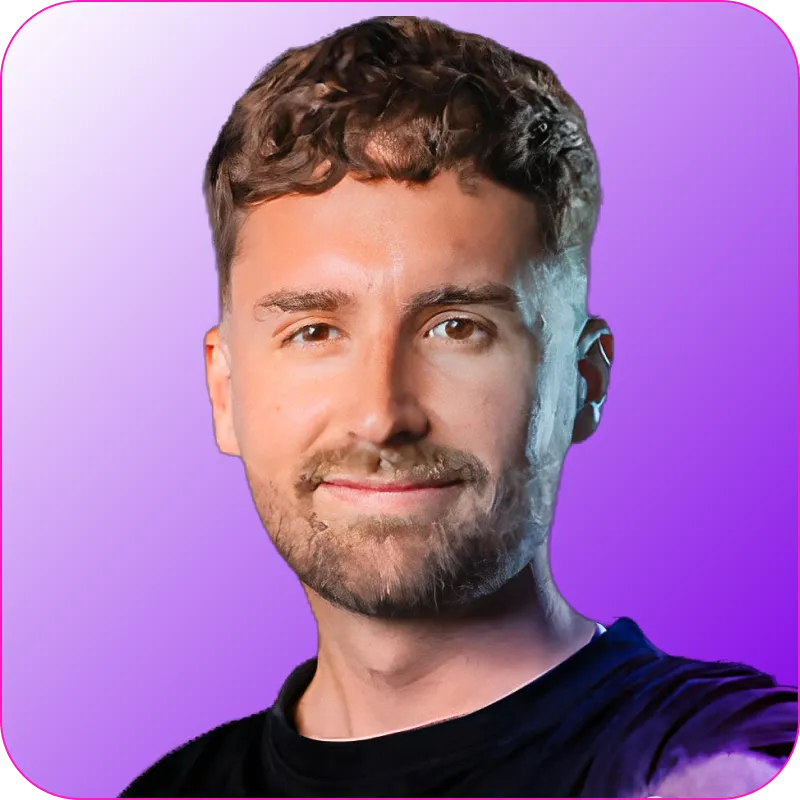
I get up at 5:30, do a fundamental overview, check overnight moves, and set alerts.
Three traders, three slightly different routines. But the principle is the same. Before they decide to click buy or sell, they know what has happened in the world and what could move the market during the day.
💡 Fintokei tip
When does it make sense to take risk, and when is it better to slow down? Learn how to read market sentiment.
Plan ready. Now it is time for the charts
After checking the calendar, traders move on to charts and key levels. Mario follows the Asian session, important highs and lows, the VIX, and the overall market structure. He looks for entries on M5, but always with the context of H1 and H4.

I look at the market from an even broader perspective — I check how the previous day, week, and month closed, and use that to build a possible market direction.
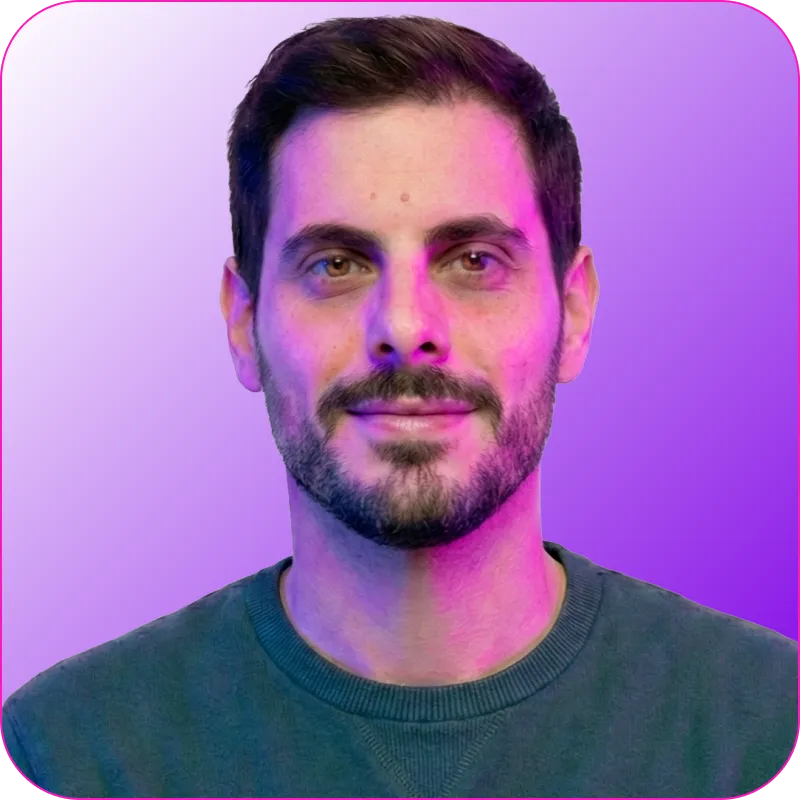
I don’t approach the market thinking, “What should I do now?” I already have a plan: if price comes here, I will watch this. If nothing happens that fits the plan, I don’t enter.
And that is the difference. The best traders do not trade everything that moves.
Most decisions are made before the entry.
When the plan is ready, execution becomes much easier. Less arguing with yourself. Less FOMO. Fewer impulsive clicks. Tomáš openly says that sometimes he does not find a suitable setup all day and simply does not enter the market. “It is a lot about patience and waiting.”
Sometimes, the most important trade of the day is the one you do not take.
Before the trade: a trader knows what they are looking for
Once a trader has a plan, the next hard part begins: waiting for the market to actually offer it.
Kacper sums it up simply:

FOMO is your biggest enemy. Forget it, the trade will come anyway.
He used to chase every move on the chart until overtrading, impatience, and pressure to get results slowly started draining his account. Today, he only enters when he sees a clear confirmation signal.
Ciro describes his best trade at Fintokei in a similar way. It was not about jumping into the market quickly. First, he found a clear zone on higher timeframes, patiently waited for the price reaction, and entered only when everything matched his plan.
David has a simple filter against impulsive entries: he does not trade immediately after a strong momentum candle. He waits for the market to calm down and, ideally, for the daily candle to close in the direction of his scenario.
The common denominator?
Setup. Patience. Confirmation.
Everything else is just noise.
During trading: risk is the steering wheel
A fast ride is fun. But without a steering wheel, you will not last long.
That is exactly how Fintokei Stars approach risk management. They do not see it as a boring spreadsheet on the side, but as the foundation of the whole trading process. It helps them stay in the game long enough to improve.
Mario has strict rules: “I never risk more than 1% of capital on one trade. I aim for a profit of around 1–2%. The stop loss is always set in advance, and I never move it.” Ciro is even more cautious in the funded phase. He risks a maximum of 0.5–1%, and only when everything fits the plan.
Tomáš also has a clear daily limit:
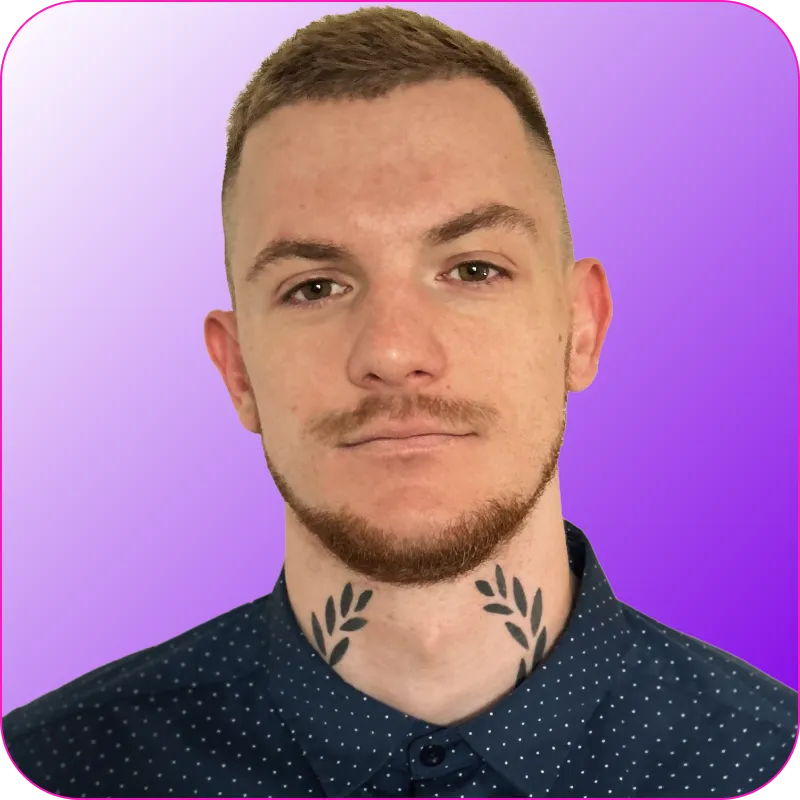
My tactic is 100 pips a day and done. Otherwise, after 1–2 losing trades, I stop as well. Once I open a position and set my stop loss and take profit, I don’t interfere. If the plan was good before entry, there’s no reason to change it mid-trade.
No moving the stop loss. No “I’ll wait a bit more, it will turn around.” No trying to make back a loss with another impulsive trade. Rules are set when your head is clear. Not when the market is moving against you.
💡 Fintokei tip
Learn how to manage risk on open trades like a Fintokei Star.
Psychology: what happens in your head when the market goes against you
A loss is not a system failure. It is part of the game. It just takes a while before a trader truly accepts that. Umberto puts it perfectly:
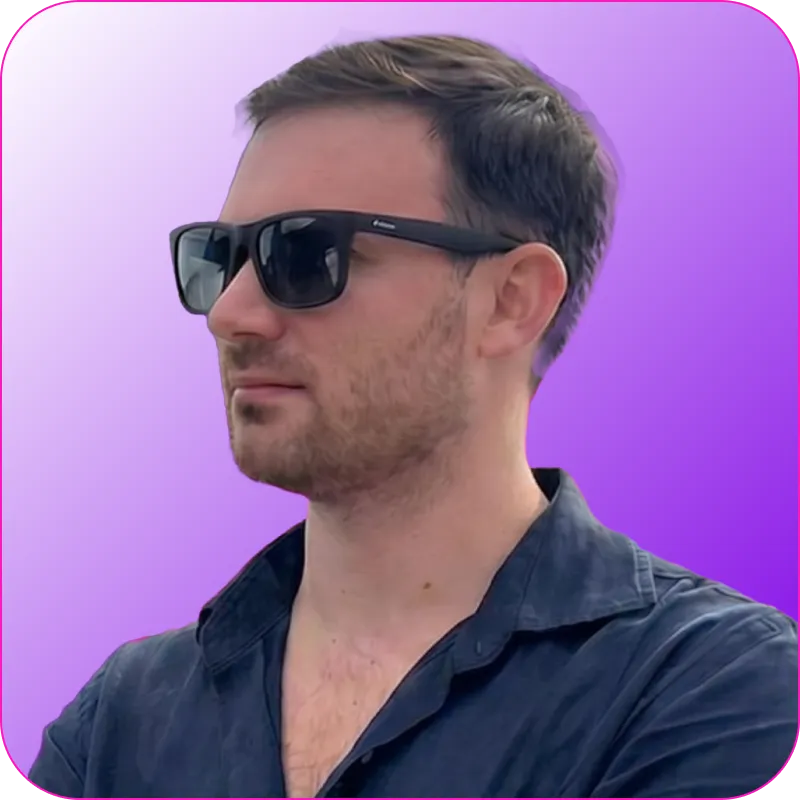
A loss is not a mistake, it is information. After every stop loss comes objective analysis. What happened? Was it normal market behavior, or a mistake in the decision? Then I move on. Without emotional attachment.
Kacper adds an even tougher point: “My biggest enemy is not the market. It is me.”
And be careful, losses are not the only danger. After a win, you can start feeling like you have the market figured out. Kacper calls this “godmode”: the state that once helped him burn his first account. Discipline after profit can be just as important as discipline after a loss.
When a losing trade comes, Mario has a clear rule: take a break, analyze, and most importantly, no revenge trading. In tough moments, Ciro repeats a sentence from his mentor Francesco: “It is just another trade.”
💡 Fintokei tip
After trading: replay instead of regret
When the trading day ends, the second part of the work begins. The part many beginners skip.
Review.
Alessandro is a big supporter of keeping a trading journal. It helps him map emotions, find patterns, and better understand what is happening inside him during trading. According to him, emotions cannot be fully eliminated, but when you write them down, you start to recognize them better.
David has a similar routine: “In the evening, I write in my journal, both trading and personal things. It is great to see the progress in black and white.”
A journal is not just a list of trades. It is a record of what went according to plan, where a mistake appeared, and what the trader takes into the next day.
💡 Fintokei tip
Without a journal, you mostly learn from feelings. With a journal, you learn from data.
Evening: switching off the charts is also a skill
A trader is not a robot. And the best performance does not come from staring at charts all day.
Honza ends his day with a run and a short meditation to clear his head before sleep. Alessandro switches into a completely different mode: CrossFit, theatre, travelling, and time with friends. It helps him keep balance.
For Adam, family and everyday routine are important. A morning walk with the dog, time with his child, shared meals, and time with his wife are things he does not mix with trading. David likes biohacking and has been doing a cold plunge every day for over 500 days. He sees it as a small morning win that kicks off the day.
I trade to live, I do not live to trade. For me, it is a way to make money. I am not looking for self-realization in it, and I do not need to be the best trader around.
Trading does not take Sebastián’s whole day. He checks his phone from time to time, sticks to his plan, and the rest of the day belongs to family, friends, and hobbies.
The common denominator? When the monitor goes dark, life begins. And without life, trading would not work for long either.
What do Fintokei Stars have in common?
When you put the stories of Mario, Kacper, Sebastián, David, Alessandro, Ciro, Tomáš, Honza, Umberto, or Adam next to each other, you see different styles.
Some trade gold, some trade indices, some trade forex. Some trade intraday, others swing trade. Some trade manually, others are partially automated. They have different ages, backgrounds, and strategies.
And yet, the core principles are the same:
- They have a trading plan. Before they enter the market, they know what they are looking for, where they want to find it, and what they will do if it is not there.
- They protect the account. Risk management is not an extra. It is the foundation. Stop loss, daily limit, no changing rules based on mood.
- They do not chase every move. They know FOMO is a silent account killer and that the market will offer another opportunity.
- They learn from mistakes. Every loss goes into the journal, not into their head.
- And most importantly: they treat trading as a process. Not as a lottery. Not as one big bet. But as a craft that is improved day by day.
No shortcuts. No fairy tales about getting rich fast. No “I will make it all with one trade.” Just routine, discipline, and patience.
Boring? Maybe. Does it work? Their payouts speak clearly.
Myth vs. reality
Want to find out how your routine would hold up?
Choose the program that fits your style and try it in a Fintokei challenge.
Plus, get 20% off your first challenge with code NEW20